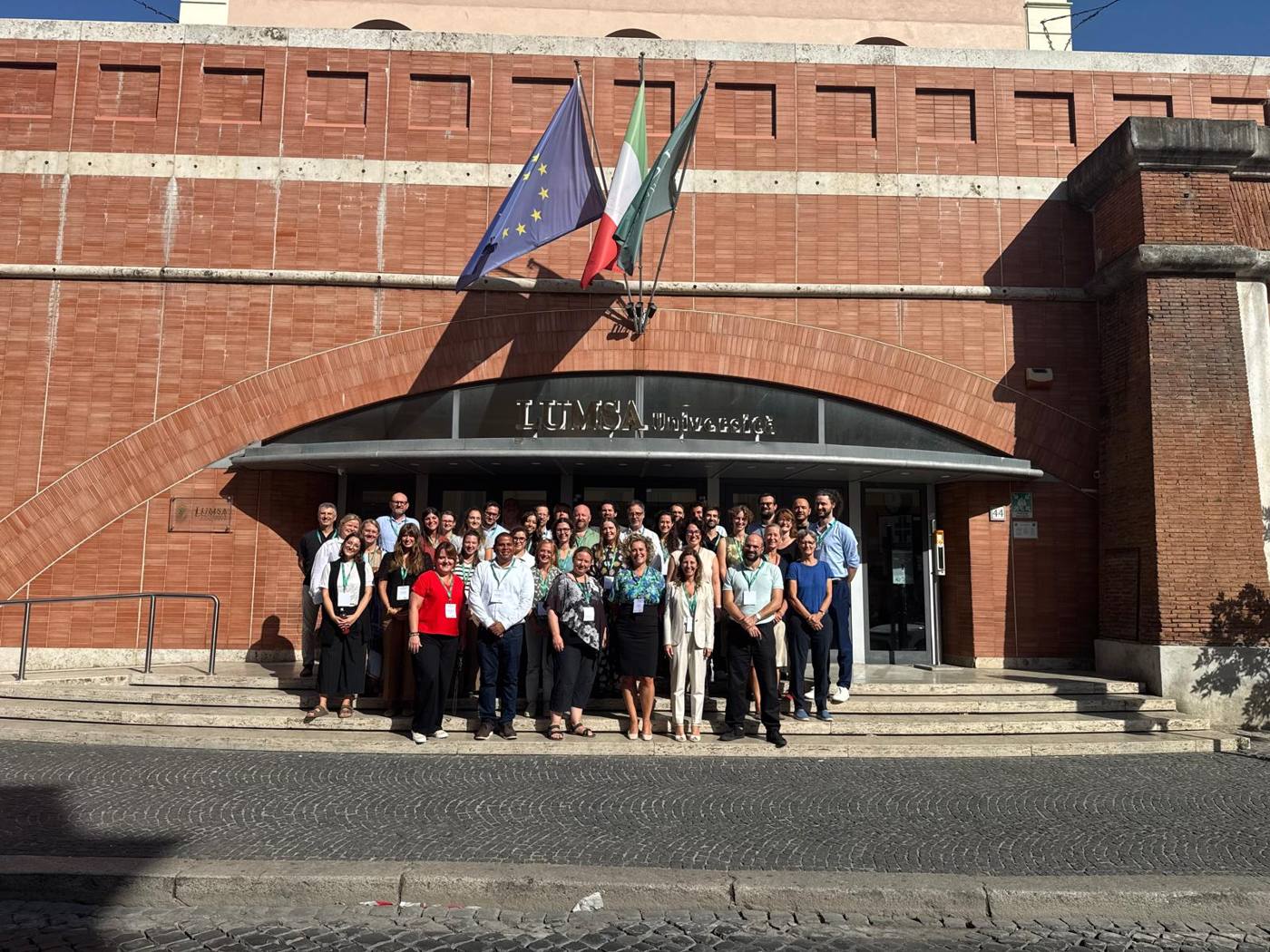
CIRCOLINK’s collaboration took shape in Rome on 8–9 September, 2026, as LUMSA University welcomed representatives from the project’s 17 partners across eight European countries for their first official gathering since the project began on August 1.
Representatives from universities, businesses, public authorities, social enterprises, and circular economy organizations came together with a shared ambition: accelerating the European furniture sector’s transition toward a circular economy.
From a shared ambition to coordinated action
The meeting gave partners time to connect their areas of expertise, align the project’s work packages, and agree on the first operational steps.
Discussions explored how the different strands of CIRCOLINK would work together, connecting research on consumer behavior, business models, and public procurement with practical testing in the furniture sector.
The seven SHIFTER pilot projects were central to these conversations. Working across different European contexts, the SHIFTERs will provide settings for developing and testing circular business models, helping the consortium understand how solutions can work in practice and be adapted elsewhere.
Bringing different perspectives together
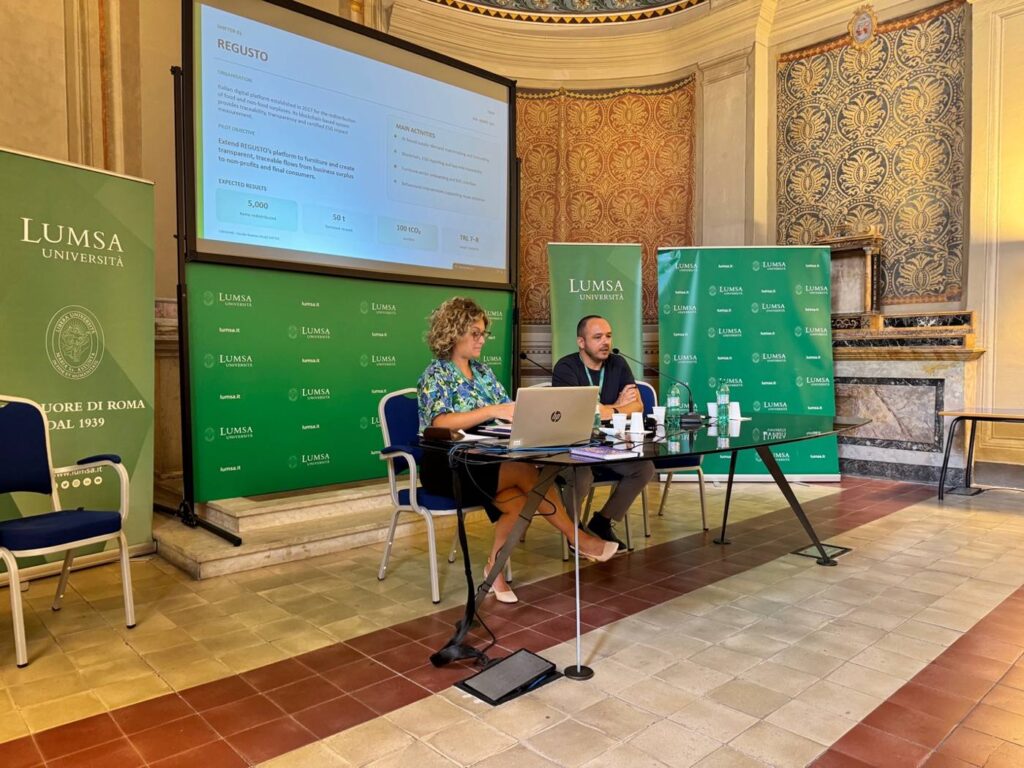
The LUMSA team’s contributions included those of Laura Michelini, the project’s scientific coordinator, Valentina Cucino, LUMSA’s CIRCOLINK lead, and Gennaro Iasevoli.
Partners also welcomed Davide Delaiti, Project Officer at the European Research Executive Agency, and Hans-Christian Eberl, Circular Cities and Regions Initiative Policy Officer, who contributed to the discussions.
Jens Andersson from IKEA Social Entrepreneurship shared experiences and reflections on circularity and social entrepreneurship, adding to the exchange on how circular approaches can create opportunities for people as well as businesses.
Building the relationships behind the project
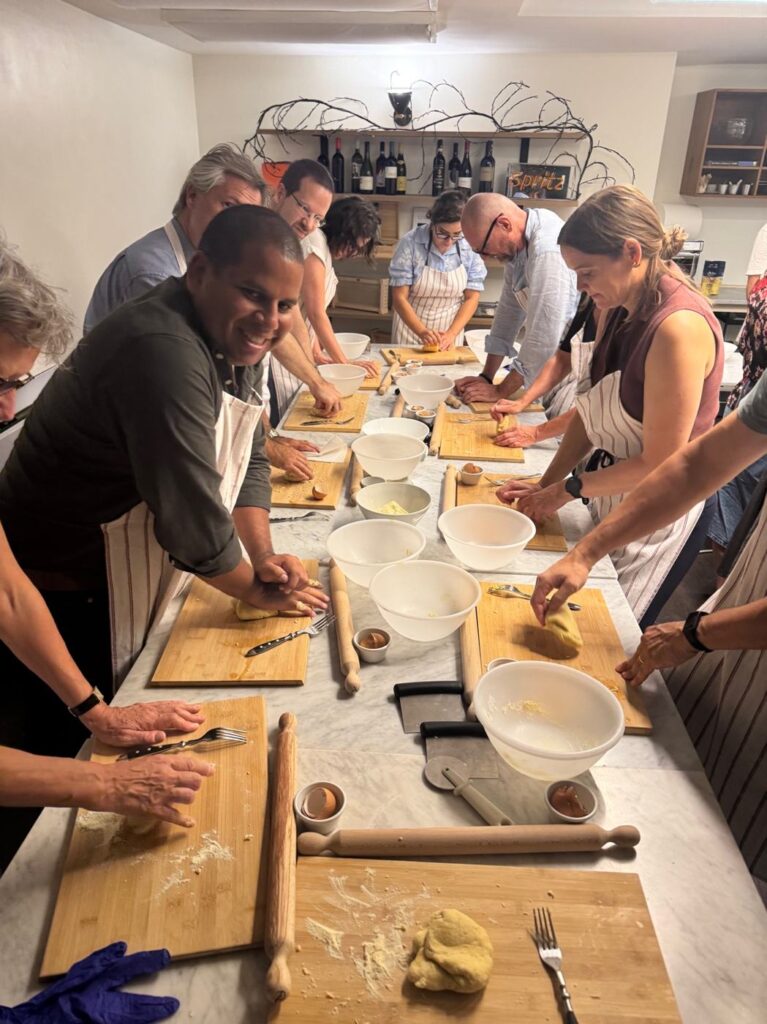
Alongside planning and presentations, group activities created opportunities for partners to get to know one another and exchange ideas across organizations and disciplines.
These connections will support CIRCOLINK’s work over the next three years. Making circular furniture an easier choice for consumers and businesses requires collaboration across the wider ecosystem, and the Rome meeting helped establish the relationships needed to move that work forward.
Thank you to LUMSA University for hosting and to all participants for contributing to a productive start.
Funded by the European Union under the Horizon Europe Research and Innovation Programme. Project CIRCOLINK, Grant Agreement No. 101289597 – CUP D83C26000650006.